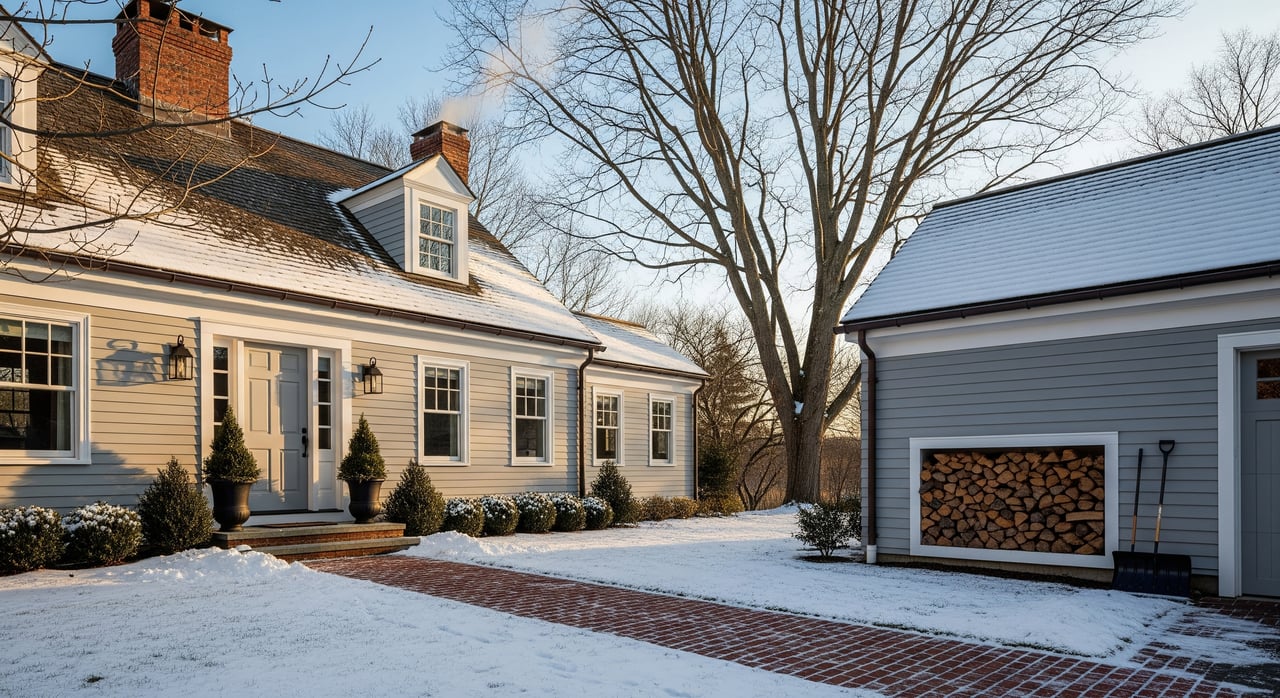
Is your Shrewsbury home ready for its first big snow? Central Massachusetts winters bring cold snaps, heavy snow, and the occasional ice storm. You care about protecting your investment, staying safe, and keeping energy costs in check. This guide gives you a simple, local checklist you can follow by season and by system, plus quick tips for buyers and sellers. Let’s dive in.
Why winter prep matters in Shrewsbury
Shrewsbury winters often include freeze and thaw cycles that stress roofs, driveways, and pipes. Nor’easters and ice can add snow loads and raise the risk of power outages. Good insulation, a tuned heating system, and clear gutters help prevent ice dams and water damage. A little planning now can save you time, money, and stress later.
Your seasonal plan
Pre-winter: September to November
- Schedule HVAC service for your furnace, boiler, or heat pump. Replace filters and test thermostats and zones.
- Have your chimney inspected and cleaned if you burn wood or coal. Choose a CSIA-certified pro.
- Clean gutters and downspouts. Confirm water drains away from the foundation and add extenders if needed.
- Add attic insulation and seal air leaks around lights, ducts, and hatch openings to reduce ice dams.
- Insulate exposed pipes in basements, garages, and crawlspaces. Disconnect hoses and shut off exterior bibs if you have interior shutoffs.
- Winterize irrigation or sprinklers per installer guidance.
- Stock up on snow shovels, a roof rake, pet-safe deicer, and sand or grit.
- Test smoke and carbon monoxide detectors and replace batteries.
- Inspect the roof for loose or missing shingles and small issues before snow hits.
Early winter: December to January
- Test your sump pump and any battery backup or generator you plan to use.
- Keep a small supply of deicer and sand for walkways.
- Maintain steady indoor temperatures. If you travel, set your thermostat no lower than 55°F.
- Assemble a 72-hour emergency kit with water, food, flashlights, batteries, blankets, and medications.
Mid to late winter: February to March
- After heavy storms, monitor for ice dams and heavy roof snow. Use a roof rake from the ground to clear eaves.
- Watch for signs of frozen pipes like frost on exposed sections or low water pressure.
- Keep up with filter changes and basic heating checks.
Post-winter: March to April
- Inspect the roof, gutters, foundation, and interior ceilings for stains or moisture.
- Clean gutters and downspouts again as snow melts.
- Service HVAC for the spring transition if needed.
- Clean dryer vents and look for moisture or mildew in basements.
System checklists
Heating systems
- Book an annual inspection and safety check. For furnaces and boilers, that includes combustion, gas pressure, and the heat exchanger.
- Change air filters every 1 to 3 months during heavy use.
- Bleed hot-water radiators and confirm zone valves and thermostats operate correctly.
- If you use oil, inspect the tank for leaks and confirm adequate fuel.
- Signs of trouble: uneven heating, unusual noises, higher bills, or a yellow pilot flame.
- Ask about a home energy assessment and weatherization incentives through programs like Mass Save.
Plumbing and pipes
- Add foam sleeves to vulnerable pipes in unheated areas.
- Disconnect hoses and shut off and drain exterior hose bibs if you have interior shutoffs.
- Keep cabinet doors open under sinks on extremely cold nights to circulate warm air.
- If you are away, keep indoor temps at 55°F or higher.
- If a pipe freezes, shut off water at the main if needed, open faucets to relieve pressure, and warm the pipe using a hair dryer starting at the faucet end. Do not use an open flame. Call a licensed plumber if you cannot safely thaw it or if a pipe bursts.
Roof, gutters, and attic
- Clean gutters before winter to reduce ice buildup at eaves.
- Improve attic insulation and air sealing to keep the roof surface colder and reduce melt-refreeze cycles.
- Ensure balanced attic ventilation with open soffit and clear ridge vents.
- Use a roof rake to remove snow from eaves after big storms. Hire a pro for heavy loads.
- Heat cables are a last-resort option and should be installed by a licensed electrician.
- Watch for icicles at eaves paired with interior water stains, which can signal ice dams.
Fireplace, chimney, and vents
- Schedule an annual inspection and cleaning if you use a wood or coal fireplace or stove.
- Check for intact chimney caps and make sure there are no nests.
- Keep exhaust and intake vents clear of snow and ice to maintain safe operation of heating equipment.
- Follow fire safety best practices and use only approved hearth products.
Safety and emergency prep
- Install smoke and carbon monoxide detectors on every level and near sleeping areas. Replace units per manufacturer guidance.
- Know where your water, gas, and electric shutoffs are located.
- If you use a generator, have a licensed electrician handle installation and follow safe fuel storage rules.
- Keep an emergency kit with food, water, first-aid supplies, flashlights, batteries, and phone chargers.
Exterior and landscaping
- Seal hairline cracks in driveways and walkways before repeated freeze and thaw cycles make them worse.
- Maintain clear, non-slip walkways. Use concrete-safe and pet-safe deicer products and add sand for traction.
- Protect shrubs and young trees with burlap or stakes and add mulch around root zones where appropriate.
- Consider snow guards where sliding snow above entries creates hazards.
Basements and moisture control
- Confirm perimeter drains and sump pumps work. Test the pump before major storms.
- Insulate crawlspaces and seal vents where appropriate for your home.
- After heavy snowmelt, check for condensation or mold and address the source of moisture.
Electrical and outages
- Service portable generators and run them outdoors away from windows and doors.
- If you plan to install a whole-house generator, add a transfer switch with a licensed electrician.
- Secure outdoor electrical items and trim dead branches. For limbs near power lines, contact your utility.
- Keep your utility’s outage reporting number handy and know how to check outage maps.
Local to-dos for Shrewsbury
- Review sidewalk clearing and parking rules. Check the Town of Shrewsbury website or DPW for snow and ice ordinances, sidewalk responsibilities, and storm parking guidance.
- Watch for trash and recycling changes during storms and follow town notices for delays.
- Know where to find information on warming centers and winter safety updates through state and local channels.
- Explore energy-efficiency incentives and weatherization support that may be available to you. Program details change, so verify current offers.
- Confirm your electric and gas providers for outage reporting and safety tips. Keep those numbers in your emergency kit.
If you plan to sell or buy this winter
Sellers
- Handle visible winter items early. Clean gutters, confirm insulation and ventilation basics, service HVAC, and test smoke and CO detectors.
- Keep driveways and walkways clear for showings and add high-traction mats at entries.
- Gather service records for heating systems, chimney inspections, roof work, and insulation upgrades to build buyer confidence.
Buyers
- Budget for quick winterization if the home has older systems or limited insulation.
- In inspections, prioritize heating safety, chimney and venting, roof leaks, and pipe freeze risks.
- Ask sellers for recent service records for the furnace or boiler, chimney, and roof.
Smart supplies to keep on hand
- Roof rake with telescoping handle
- Ergonomic snow shovel and heavy-duty broom
- Pet-safe deicer and sand for traction
- Ice scraper or chisel for small areas
- Flashlights, batteries, portable chargers, and a battery radio
- First-aid kit, bottled water, and shelf-stable food
- Warm blankets and extra gloves
- Folder with HVAC and utility records, model numbers, and service receipts
When to call a pro
- HVAC: Schedule annual service with a qualified technician and ask about efficiency upgrades.
- Chimney: Use a CSIA-certified sweep for inspection and cleaning if you burn solid fuels.
- Electrical: Hire a licensed electrician for generators, heat cables, or any major work.
- Plumbing: Call a licensed plumber if you suspect frozen or burst pipes.
Ready to prep your Shrewsbury home for winter or plan a smart pre-listing tune up? If you want a local, step-by-step plan aligned with your goals, reach out to Persa Konomi for guidance, a market-ready strategy, or an instant valuation.
FAQs
How do I prevent ice dams on a Shrewsbury roof?
- Seal attic air leaks, add insulation, keep gutters clean, maintain continuous ventilation, and use a roof rake to clear eaves after storms. Heat cables are a last resort.
What should I do if a pipe freezes in winter?
- Shut off the main if needed, open faucets, and warm the pipe from the faucet end with a hair dryer. Do not use an open flame. Call a licensed plumber if you cannot thaw it.
Who is responsible for clearing sidewalks after snow in Shrewsbury?
- Responsibilities and timing are set by the town. Check the Town of Shrewsbury’s ordinances or DPW guidance for current rules and any fines.
How often should I service my furnace or boiler before winter?
- Schedule professional service annually before the heating season and replace air filters every 1 to 3 months during heavy use.
What deicer is safest for my driveway and pets?
- Use products labeled as concrete-safe and consider pet-safe formulas. Add sand or grit for traction and follow all product instructions.
Are there rebates for insulation or heating upgrades in Massachusetts?
- Yes, statewide programs often offer incentives, but details change. Check current program information and eligibility before starting a project.