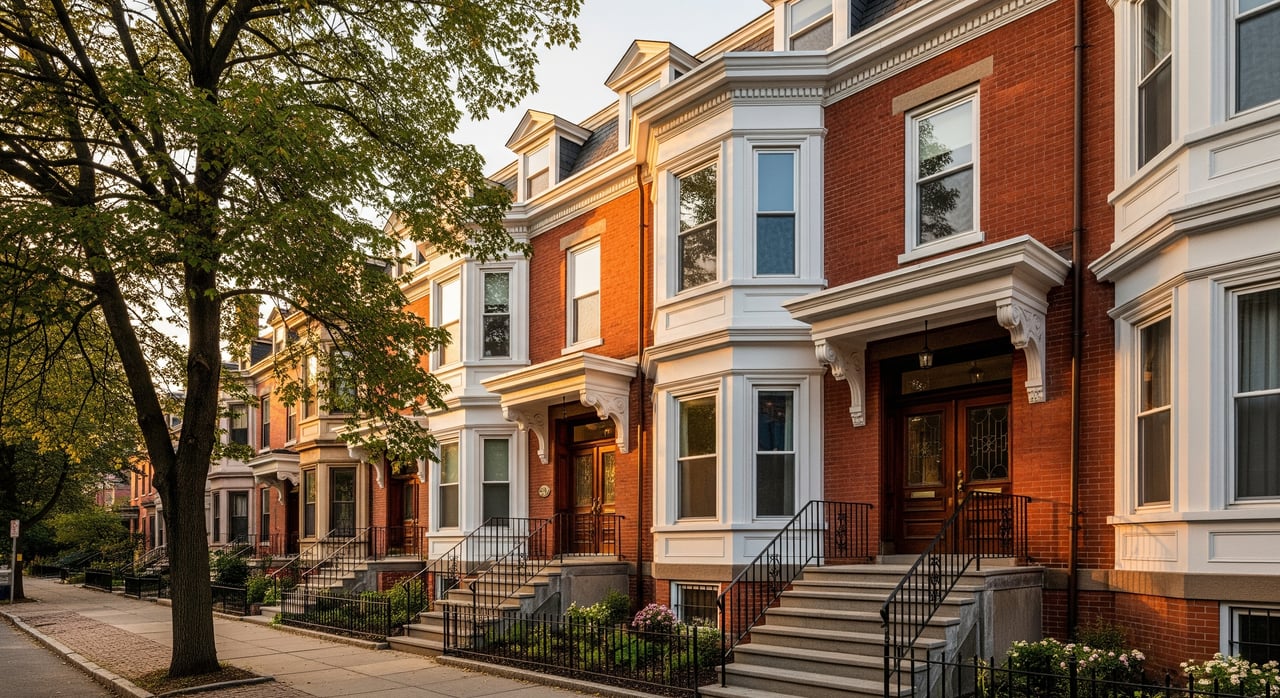
Thinking about buying a Worcester two- or three-family to build income or offset your mortgage? You’re not alone. Worcester’s stable job base, commuter access, and diverse neighborhoods make small multifamily a smart entry point for first-time investors and a steady performer for seasoned owners. In this guide, you’ll learn how to pick the right strategy, underwrite deals, understand local rules, and avoid common pitfalls. Let’s dive in.
Why Worcester works for small multifamily
Worcester is New England’s second-largest city with deep employment in healthcare, education, government, and manufacturing. Year-round demand from hospital staff, university communities, and local employees supports steady rent needs.
Its location about 40 miles from Boston, along the MBTA Worcester/Framingham Line, attracts commuters who want value without losing access to the city. For investors, that means broad tenant pools and options across workforce and student segments.
Price-to-rent dynamics can be favorable compared to Metro Boston, but results vary by neighborhood and building condition. Focus on local rent comps, actual expenses, and realistic vacancy to find durable cash flow.
Choose your strategy
Small multifamily in Worcester fits two common paths:
- Owner-occupant (house hack). Live in one unit, rent the others, and use owner-occupant financing that may allow lower down payments if you qualify. You gain more control over management and can improve NOI through light upgrades.
- Non-owner-occupant investor. Target stabilized properties or value-add deals. Expect larger down payments, DSCR-focused underwriting, and higher interest rates than owner-occupant loans.
Your approach drives everything from loan type to tenant mix. Clarify your goal first: cash flow today, long-term appreciation, or a rehab-to-rent plan.
Financing options for 2–3 unit purchases
Owner-occupant options may include FHA for 2–4 units, conventional owner-occupied loans, and VA for eligible buyers who will live in the property. Always confirm current program rules, occupancy requirements, and property standards.
Non-owner-occupant loans typically require 20 to 25 percent or more down, higher rates, and a DSCR that meets lender guidelines. Local community banks and credit unions can be competitive for Worcester small multis, especially on properties with unique cash flow.
If you plan renovations, look into FHA 203(k), Fannie Mae Homestyle, or local rehab loans. For larger rehabs or quick closings, some investors use construction or hard-money financing as a bridge, then refinance once stabilized.
Underwriting basics that matter
When you analyze a deal, use consistent metrics and conservative assumptions:
- Gross Rent Multiplier (GRM). Purchase price divided by potential gross rent. Good for quick screening.
- Net Operating Income (NOI) and cap rate. NOI divided by purchase price to gauge unlevered yield.
- Cash-on-cash return. Annual pre-tax cash flow divided by total cash invested.
- DSCR. NOI divided by annual debt service. Key for non-owner-occupant loans.
Common underwriting assumptions to test locally:
- Vacancy allowance: 5 to 8 percent
- Maintenance/reserves: 8 to 12 percent of gross rents or a per-unit reserve
- Property management: 8 to 10 percent if using third-party management
Don’t forget core operating expenses:
- Property taxes and assessments
- Landlord insurance
- Utilities not paid by tenants
- Repairs and maintenance, plus capital reserves for roof and systems
- Property management, leasing, legal, and accounting
- Vacancy and turnover costs
A simple sample pro forma
Use hypothetical numbers to pressure test the deal before you shop. Then replace with actual rent comps and real taxes.
Conservative scenario example:
- Purchase price: 600,000 for a three-family
- Monthly rent per unit: 1,900 (5,700 total potential)
- Vacancy at 7 percent: 399
- Effective gross income: 5,301
- Expenses and reserves: 2,200 (taxes, insurance, utilities, maintenance, management)
- NOI: 3,101 per month
- Annualized cap rate: about 6.2 percent
Optimistic scenario tweaks:
- Rents increase by 150 per unit after light upgrades
- Vacancy at 5 percent with strong leasing
- Expenses steady due to tenant-paid utilities
Recalculate NOI and cash-on-cash to see sensitivity. A small shift in rents, vacancy, taxes, or interest rates can move returns meaningfully. Always run multiple cases.
Neighborhood fit and tenant mix
Worcester offers a range of locations with different operating profiles. Match your goals to the area and tenant base.
- Near-college areas (WPI, Clark, Holy Cross). Higher turnover and leasing intensity, potential for higher gross rents, and more wear and tear. Plan for seasonal cycles.
- Medical corridors. Demand from hospital staff and medical workers can provide steadier occupancy and longer lease terms.
- Canal District and downtown/transit areas. Benefiting from redevelopment and proximity to amenities, with potential upside and competition on pricing.
- Stable residential neighborhoods. Often draw longer-term workforce tenants with lower turnover and management intensity.
Stay neutral and data-driven. Use rent comps by unit type, confirm transit and parking realities, and review local services that support quality of life.
Due diligence checklist for Worcester multis
Protect your investment with a disciplined process before you offer:
- Title and liens: confirm clean ownership and any municipal agreements
- Zoning and use: verify allowed use, parking, and any nonconforming status
- Certificates and records: check for open permits, code violations, and inspection history
- Physical inspection: structure, roof, foundation, electrical, plumbing, heating/AC, insulation, pest, mold
- Lead risk assessment for pre-1978 buildings
- System ages and life cycles: roof, boilers, hot water, windows
- Utility metering: who pays water, gas, and electric; separate meters impact NOI
- Rent roll and leases: actual rents vs. market, security deposits held, expirations, payment history
- Insurance quotes: older multifamily can carry higher premiums
- Accessibility and parking: confirm on-site or street options and transit access
- Neighborhood context: noise sources, crime stats, and nearby services
Landlord rules you must know in Massachusetts
- Security deposits. Massachusetts limits residential security deposits to one month’s rent and sets strict rules for collection, holding, and returning with an accounting.
- Lead paint. For buildings built before 1978, state and federal rules require disclosure and may trigger assessment or remediation, especially if a child under six will reside.
- Smoke and carbon monoxide detectors. Landlords must install and maintain compliant alarms; verify placement and testing requirements.
- Eviction process. Massachusetts uses a defined summary process with required notices and timelines. Follow current state procedures.
- Rent control. Massachusetts does not have statewide rent control as of 2024. Always check the latest municipal policies.
- Municipal items to verify in Worcester. Rental registration and inspection requirements, zoning specifics, and any short-term rental rules. Contact City of Worcester departments for current forms and fees.
- Fair housing. Follow federal and Massachusetts fair housing laws. Use consistent screening criteria and neutral, objective advertising.
Rehab, energy, and potential incentives
Start with a clear scope and contractor bids. Determine if the project is cosmetic, systems-focused, or a full gut. Include permit timelines and inspection scheduling in your timeline and holding-cost plan.
Energy upgrades like insulation, efficient heating, and heat pumps can reduce operating costs over time. Look into utility programs and state offerings that support efficiency work.
Depending on location and building age, some investors explore historic or housing preservation incentives. These programs can be complex; confirm eligibility, timing, and compliance steps before you buy.
Risks to underwrite up front
- Capital expense surprises in older properties
- Tenant turnover and seasonal vacancy, especially near campuses
- Interest rate changes that affect cash flow or refinancing
- Shifts in municipal rules or inspection regimes
- Environmental obligations such as lead remediation in pre-1978 buildings
- Concentration risk if you hold multiple units in the same area
Build a contingency reserve and update your numbers with current taxes, insurance, and lender quotes before you commit.
How Persa Konomi helps Worcester investors
You deserve a partner who treats your investment like a product launch. With MLS-accurate pricing, neighborhood insight across Central Massachusetts, and a systems-driven process, Persa helps you source opportunities, underwrite with confidence, and plan value-add work that resonates with local renters.
- Deal strategy aligned to your goals and financing path
- Neighborhood and rent-comp guidance for student and workforce segments
- Organized offer, inspection, and permitting coordination
- Professional presentation and targeted digital marketing when it’s time to sell
Ready to explore two- and three-families in Worcester? Connect with Persa Konomi for a focused consult on your plan.
FAQs
Why consider Worcester for two- and three-family investments?
- Worcester’s employment base in healthcare, education, government, and manufacturing supports durable rental demand, with commuter access to Boston via the MBTA line.
Can I use an FHA or VA loan to buy a Worcester 3-family if I live there?
- Many owner-occupant programs allow 2–4 unit purchases if you meet guidelines and occupy a unit; verify current FHA, VA, or conventional rules with your lender.
How should I budget repairs for older Worcester triple-deckers?
- Get full inspections and contractor bids for structure, roof, heating, plumbing, electrical, and windows, then add a capital reserve for near-term system replacements.
Does Worcester have rent control or special rental registration rules?
- Massachusetts has no statewide rent control as of 2024; check current City of Worcester requirements for rental registration, inspections, and any short-term rental policies.
What vacancy and management assumptions fit Worcester underwriting?
- Many investors test 5 to 8 percent vacancy and 8 to 10 percent management, then adjust based on tenant profile, location, and whether you self-manage or hire a manager.