Not sure whether a condo, townhome, or single-family home fits your life in Framingham? You have plenty of options, and each one affects your space, budget, and weekend to-do list in different ways. This guide breaks down how the main home styles compare in costs, maintenance, financing, and location so you can choose with confidence. You will also see how Framingham stacks up to nearby MetroWest towns. Let’s dive in.
Framingham snapshot: price, taxes, lifestyle
Framingham offers a wide mix of housing, with about 29,000 total housing units and an owner-occupancy rate near 55 percent. You can scan the city’s long-term housing profile on the Census Reporter page for Framingham for helpful context on housing mix and value trends. See the Census profile for Framingham.
Recent market indexes show Framingham’s typical home values in the mid-600s on average, with monthly medians that shift based on inventory and season. Use ranges rather than a single number, and compare by property type when you shop.
Commuting is a key draw. Downtown Framingham sits on the MBTA Framingham/Worcester Line in Zone 5, which makes transit-accessible condos and close-in townhomes popular for Boston commuters. You can learn more about the station and service on the Framingham station overview.
Property taxes are part of your monthly picture too. For Fiscal Year 2026, Framingham’s residential tax rate is $11.83 per $1,000 of assessed value. You can confirm current rates with the Framingham Assessors Department.
Home styles at a glance
Condominiums: simpler upkeep, shared oversight
A condo gives you ownership of your interior unit plus a fractional interest in the shared areas. In Massachusetts, the organization of unit owners manages common elements, insurance for those elements, and collections. You can review powers and duties in the Massachusetts Condominium Act, Chapter 183A, Section 10.
Maintenance is lighter for most condo owners. Associations usually handle exterior care, landscaping for common areas, snow removal for shared drives, and building insurance for the structure’s common elements. You typically carry an HO-6 policy for your unit interior and personal property. Always review the master policy, the budget, and the reserve funding.
Monthly condo dues vary by building size, age, and amenities. As one local example, a Framingham community shows published monthly fees in the $346 to $423 range depending on unit type. For a sense of what associations cover and what to request before you buy, see this HOA information example.
Financing can hinge on the building’s eligibility, not just your unit. Lenders and secondary market buyers evaluate the entire condo project for reserve funding, owner-occupancy, and litigation status. Ask your lender early about project “warrantability” or a spot review. You can learn how lenders assess projects in Fannie Mae’s project standards overview.
In Framingham, condos near downtown and transit are often the most affordable entry into central locations, with prices that vary by building, size, and whether it is newer construction.
Townhomes: attached living with more space
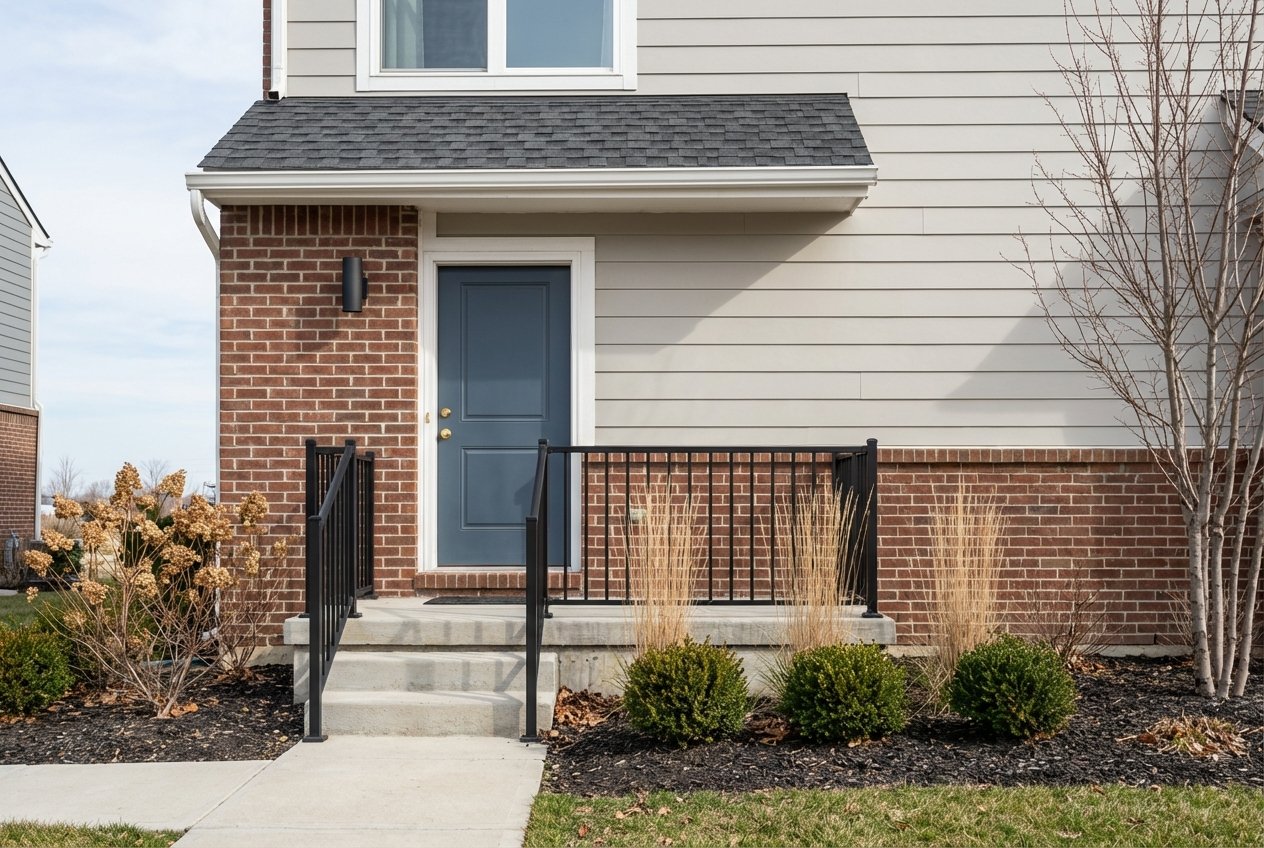
Townhomes in Framingham often feel like a middle ground. Many offer multi-level layouts, a private entry, and sometimes a small patio or yard. Ownership can be fee simple for the dwelling and lot, but if the development has shared drives, roofs, or landscaping, association rules and costs apply. Maintenance responsibilities depend on each master deed and bylaws. You can reference the association governance framework in Chapter 183A, Section 10.
Financing depends on the ownership form. Fee-simple townhomes often finance like single-family homes. If a townhome sits within a condo-style association, project approval rules can apply, so confirm early with your lender. Fannie Mae’s guidance on project eligibility offers a useful overview of what lenders check. See the project standards summary.
Prices vary widely by age, finishes, and location. Recent 12-month aggregations show townhome medians around the mid-700s in Framingham, but individual communities can price below or above that range.
Single-family: maximum control, more responsibility
A single-family home gives you full control of the house and lot. You set your maintenance plan and pay for exterior and interior upkeep, from the roof and siding to landscaping and major systems. Insurance is a standard homeowners policy that covers the structure and your belongings. For a helpful overview of insurance roles in residential transactions, see Massachusetts state guidance on insurance in the real estate transaction.
Framingham’s single-family stock ranges from post-war ranches and classic Capes to Colonial-style homes and newer construction. Recent 12-month medians for single-family sales cluster around the low to mid-700s, with neighborhood, lot size, and school district boundaries among the common price drivers.
What it costs each month
When you compare condos, townhomes, and single-family homes, look beyond the purchase price to your total monthly cost:
Condos
- Mortgage and taxes, plus HOA dues that cover common services. Review the budget, reserves, and any history of special assessments. Many owners carry an HO-6 policy.
- Example dues in Framingham can land in the mid to high hundreds per month depending on amenities. See this local HOA example for the type of details to request.
Townhomes
- Mortgage and taxes, plus either limited HOA dues or full exterior coverage depending on the master deed. Insurance is often a standard homeowners policy if fee simple.
Single-family homes
- Mortgage and taxes, plus a separate budget for roof, siding, yard, snow removal, and systems. Insurance is a full homeowners policy.
Do not forget property taxes. At $11.83 per $1,000 of assessed value for FY2026, a home assessed at $700,000 would have an annual tax of about $8,281, which is roughly $690 per month. You can verify current rates with the Framingham Assessors Department.
Commute and location cues
If you want a car-light lifestyle or an easier Boston commute, downtown condos and transit-adjacent townhomes are popular because the Framingham commuter rail station sits in Zone 5. If you prefer more detached-home neighborhoods, areas like Nobscot and Saxonville include many single-family options across different architectural eras. Availability changes month to month, so compare by micro-neighborhood rather than citywide averages.
Framingham vs nearby towns
Framingham generally sits in the mid-range of MetroWest pricing. Recent market snapshots show:
- Natick often higher, with many medians in the upper 800s to low 900s.
- Hopkinton typically near or around one million for many periods.
- Westborough often clusters near the mid 600s.
- Marlborough commonly lower, with many medians in the mid 500s.
- Wellesley typically well above two million for many listings.
For most buyers, that context means Framingham can balance price, space, and access. Downtown condos may stretch your commute options, while older single-family neighborhoods can offer yards and more privacy. Use neighborhood-level comps to set realistic expectations for the areas you like.
How to choose the right fit
Use this simple process to narrow your search and compare apples to apples:
- Define space and lifestyle needs
- Rank must-haves and nice-to-haves, such as bedroom count, an office, or a private entry. Decide how much weekend maintenance you want to handle.
- Set your budget early
- Get pre-approved and include taxes, dues, insurance, and a maintenance reserve. For condos and townhomes, add HOA dues and review reserve strength and assessment history.
- For condos and condo-style townhomes, request documents
- Ask for the master deed, bylaws, rules, budget and recent financials, reserve study, insurance details, and board meeting minutes. Massachusetts law outlines association powers and record-keeping in Chapter 183A, Section 10.
- Engage your lender early on projects
- Confirm whether a condo or townhome community meets project standards for your loan type. Learn the basics in Fannie Mae’s project standards overview.
- Pressure-test commute and neighborhood fit
- Visit at peak hours, map drive times, and walk to services you plan to use. If transit is important, focus near the commuter rail.
- Think about resale
- Ask how the home style and location appeal to the broader buyer pool. Solid association finances, organized maintenance, and flexible layouts can support future demand.
Next steps
Choosing your home style is easier when you see the full picture, from tax math to HOA rules to project eligibility. If you want a clear, low-stress plan tailored to your goals, reach out to Persa Konomi for a consult. You will get organized guidance, neighborhood context, and a data-focused approach that helps you move with confidence.
FAQs
What is the current residential tax rate in Framingham?
- The FY2026 residential tax rate is $11.83 per $1,000 of assessed value, according to the Framingham Assessors Department.
How do condo dues affect affordability in Framingham?
- Dues add to your monthly cost and vary by building and amenities. Review the budget, reserves, insurance, and any special assessments. A local HOA example shows monthly fees in the $346 to $423 range, which can change the math for similar-priced homes. See this HOA information example.
Which documents should a Massachusetts condo buyer request?
- Ask for the master deed, bylaws, rules, budget and recent financials, reserve study, insurance certificates, board meeting minutes, and any litigation disclosures. Association powers and duties are outlined in Chapter 183A, Section 10.
Is it harder to finance a condo than a single-family home?
- It can be. In addition to your personal approval, lenders review the condo project’s reserves, owner-occupancy, litigation, and other factors. Early checks for project eligibility or a spot review can prevent delays. See Fannie Mae’s project standards for what lenders look at.
What insurance do I need for each home style?
- Condo owners usually carry an HO-6 policy for the unit interior and belongings, with the association insuring common elements. Townhomes vary by ownership form. Single-family owners carry a homeowners policy for the entire structure. Review the state’s insurance overview for residential transactions for common roles.
Where should I start if I want a transit-friendly lifestyle?
- Focus near the downtown core and the MBTA Framingham station in Zone 5. Many condo and townhome options cluster there, which can simplify commuting and errands. Learn about the station on the Framingham station overview.